


Actor says AI voice clone campaign won support fast
Actor says AI voice clone campaign won support fast

Rebecca Dickson; Asha Patel - NottinghamSun, September 6, 2026 at 5:53 AM UTC
0
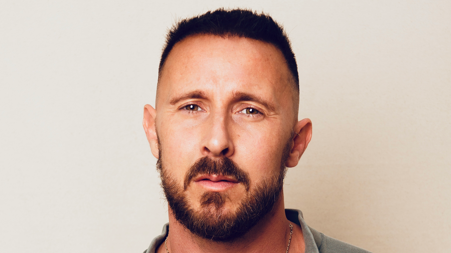
The founder of Save Our Voices Now, actor Peter Caulfield, said he wrote an open letter to Prime Minister Andy Burnham about his concerns
An actor leading a campaign for greater protection against artificial intelligence voice cloning has warned the voice industry is "facing an existential threat".
Peter Caulfield, who stars in Channel 4's drama Tip Toe, said it did not take long to get support from high-profile stars including Downton Abbey actor Hugh Bonneville and Derry Girls actress Nicola Coughlan.
His petition has more than 4,000 signatures, with the government announcing a consultation on how to "address these harms, while protecting legitimate innovation".
Caulfield, who grew up in Mapperley, Nottinghamshire, said: "People were genuinely wanting to get involved and wanting to engage."
The founder of Save Our Voices Now told the BBC he first started looking into the issue when he realised there was little protection for actors and voice artists when it came to AI.
Caulfield, who also starred in EastEnders and Doctor Who, said his research showed him it only took "seconds" for some AI technology to replicate a voice.
"The work is being decimated and companies are choosing to use AI voices," he said.
"What we really need is the government to step in and add in some regulations which would also act as a deterrent too."
The Save Our Voices Now campaign is calling for people in Britain to have a statutory right to own their voice as intellectual property.
It also wants that right to be enforceable against platforms serving UK users, regardless of where those companies are based, and for AI developers to bear the burden of proving consent for voice use.
Caulfield said he wrote an open letter to Prime Minister Andy Burnham about his concerns over the summer, before sending it out to other actors and voice artists.
He said within days, he began to receive support from others, including high-profile artists, who were worried about having their voices "stolen".
Caulfield said another concern for the general public was the use of AI in scams and identity theft.
Through the campaign, he said people had shared their own experiences of their voices being "stolen".
"Our voice is the first thing you hear when you meet somebody. It says so much about them, it says so much about their family, their history," he said.
Advertisement
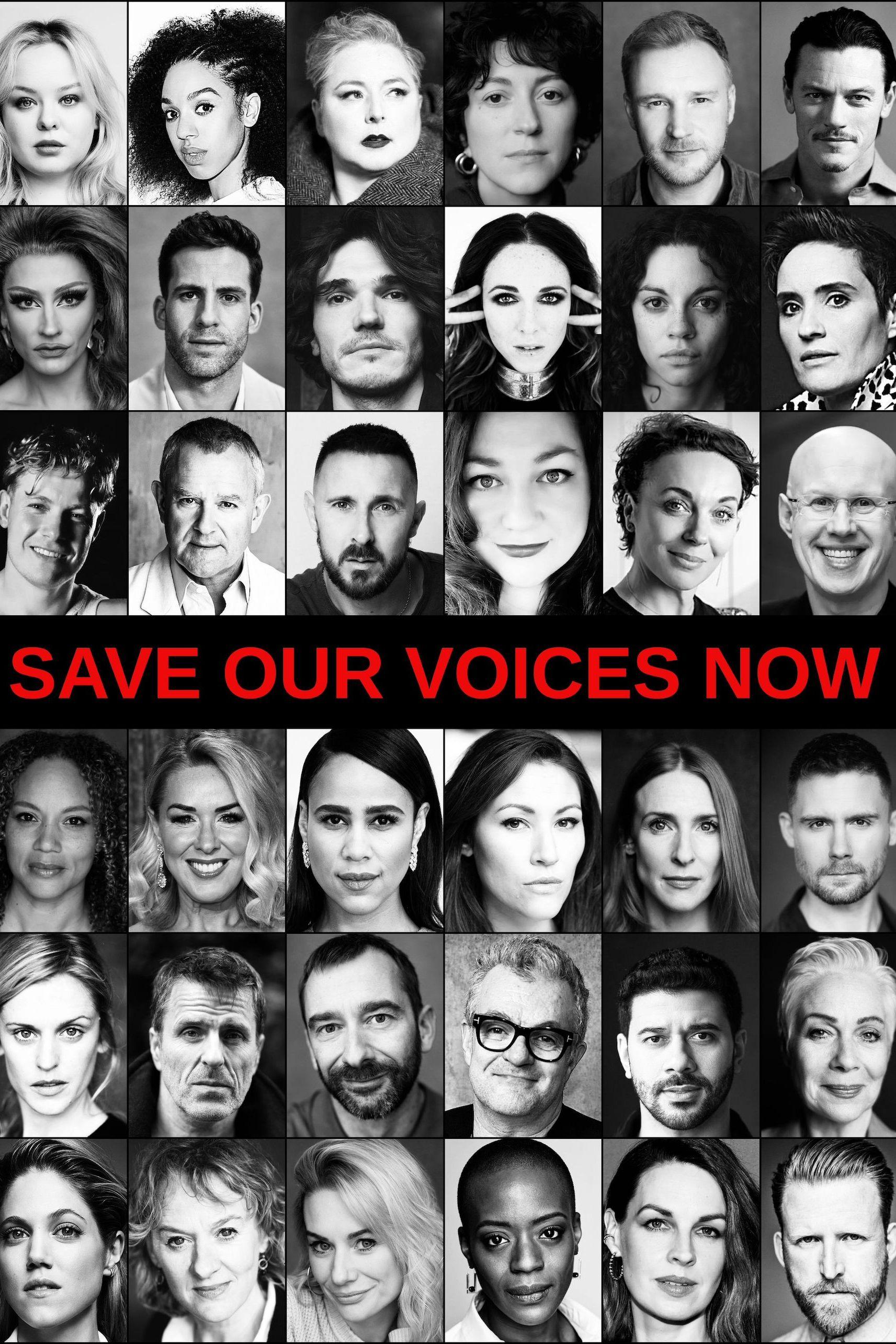
Caulfield's campaign quickly garnered the support of fellow actors
Kieran Vyas, an acting coach and director in the East Midlands, said he decided to put AI to the test.
"In our industry there's such an enormous amount of fear at the moment, and rightly so, that AI is going to replace human actors," he told the BBC.
Using prompts, he said he wanted to see if AI could replicate the skill of two actors in dialogue.
"The results are kind of incredible and terrible at the same time," Vyas added.
"It's physically awkward. There's a lack of nuance, there's a lack of connection to the text and between the characters."
What is AI, how does it work and why are some people concerned about it?
However, he added that studios would have "whole teams" of people who were skilled at using the new technology.
Vyas added: "The genie is out of the bottle, we can't stop it.
"The only thing we can do is regulate and we can hold the creators to account."
But Vyas says he is not losing hope.
"I'm hopeful that we will adapt," he said. "Because although this feels slightly different, in the past, we've gone through major change and we as an industry will have to evolve and adapt."
A Government spokesperson said: "Digital replicas can be a powerful tool, including for the creative industries.
"However, when someone's likeness is replicated without their permission it can be harmful.
"It is right that we value and protect human creators, and that is why we have announced we will launch a consultation on how we address these harms, while protecting legitimate innovation."
Additional reporting by Verity Cowley.
Listen to BBC Radio Nottingham on Sounds and follow BBC Nottingham on Facebook, on X, or on Instagram. Send your story ideas to eastmidsnews@bbc.co.uk or via WhatsApp on 0808 100 2210.
-
Matt Lucas and Hugh Bonneville among actors calling for law on AI voice cloning
Related internet links
-
Department for Culture, Media and Sport

Source: “AOL Entertainment”
